
Author notes on using a Hero11 reward only after the contest still fits
The archive’s opening note says the same thing in match order: named squad first, captain marks on real jobs, then a fee that was chosen before the prize graphic. New readers are pointed at a small room, not the loudest pool on the card.

Contest types in cricket that suit a player who is new
-

Contest you enter for one IPL match only
-
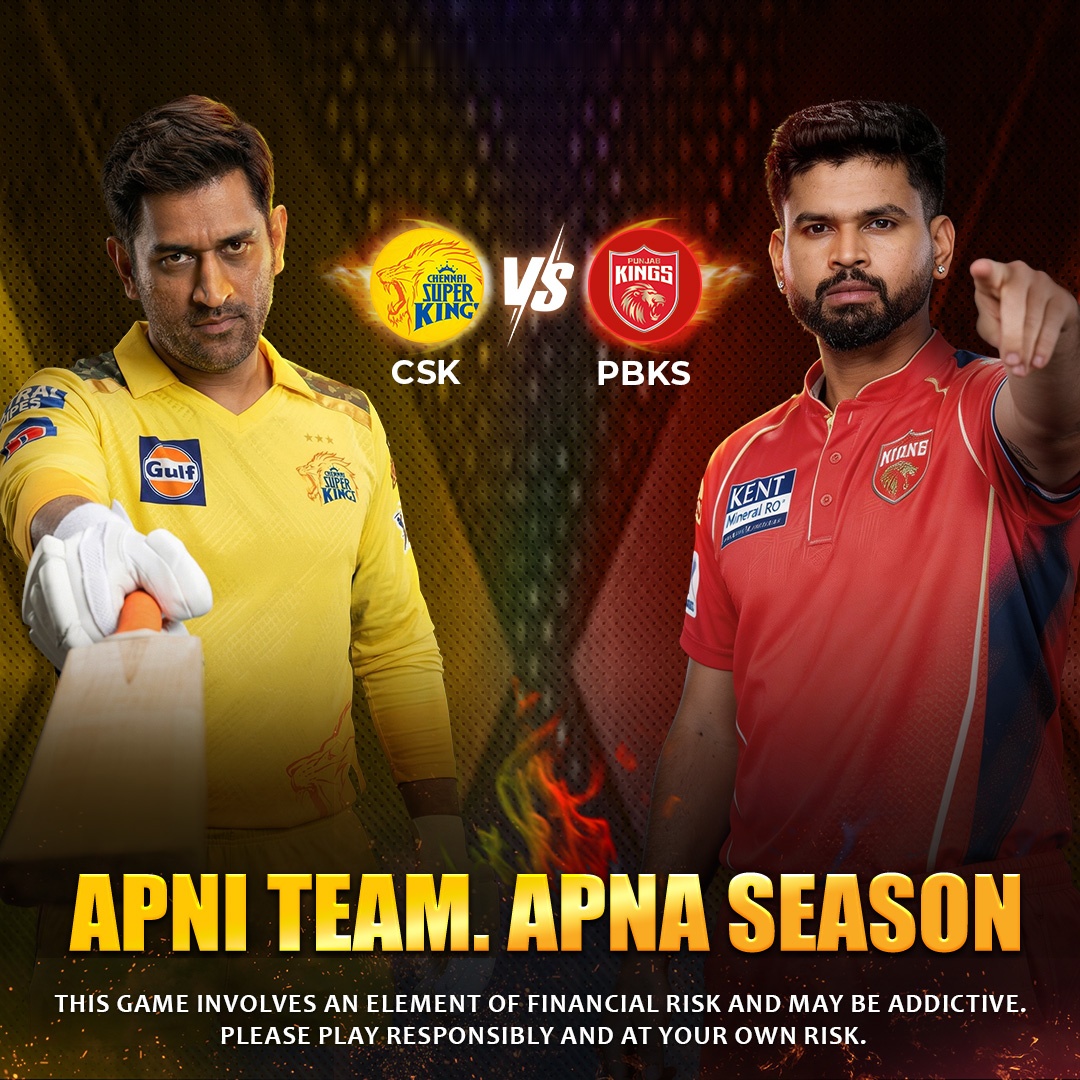
A cricket contest that opens with the games that day
-

One-on-one cricket contest between two sides
-

Compact league meant for a short player field
-

Large contest room that holds many team spots
-
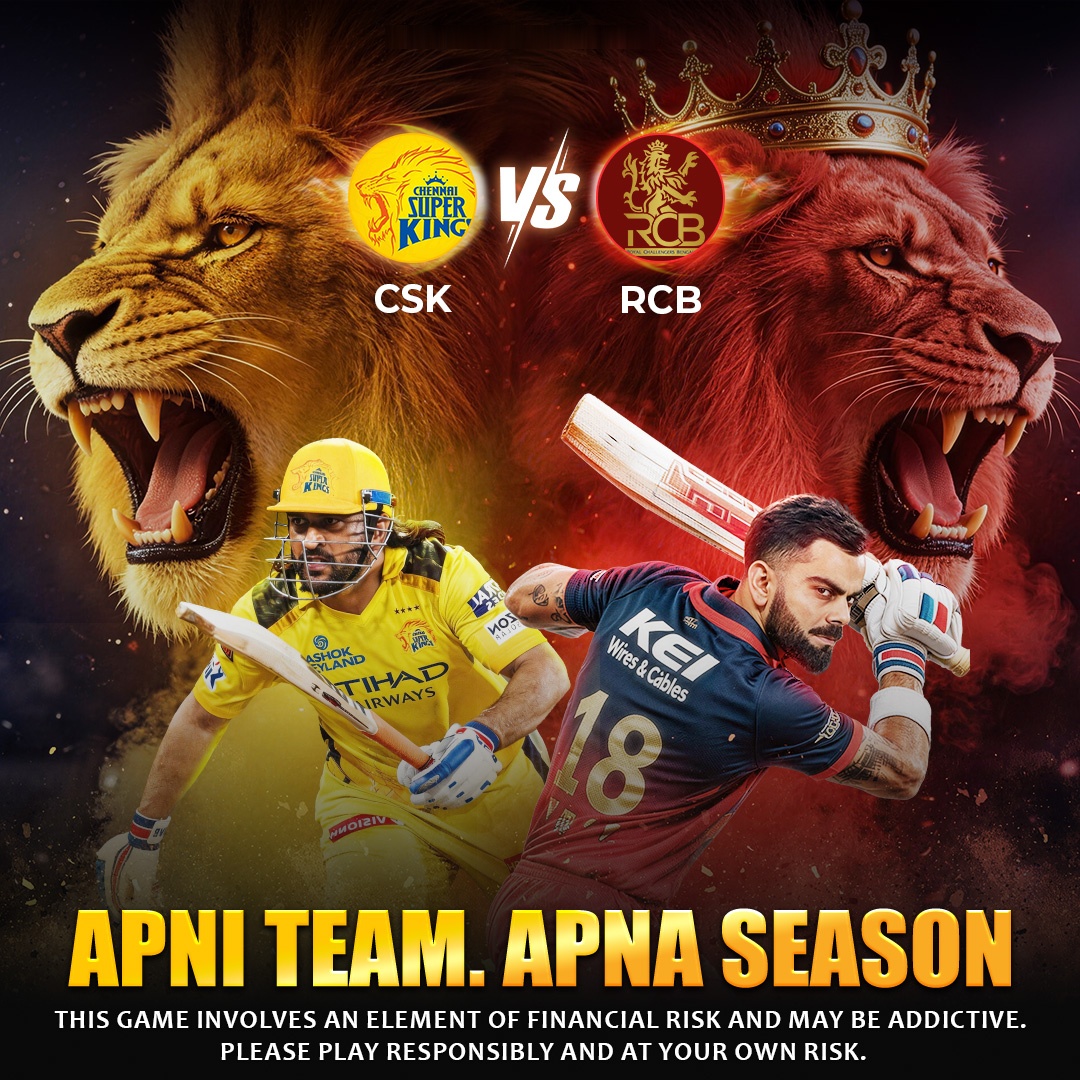
Trial contest where you test your team picks
-
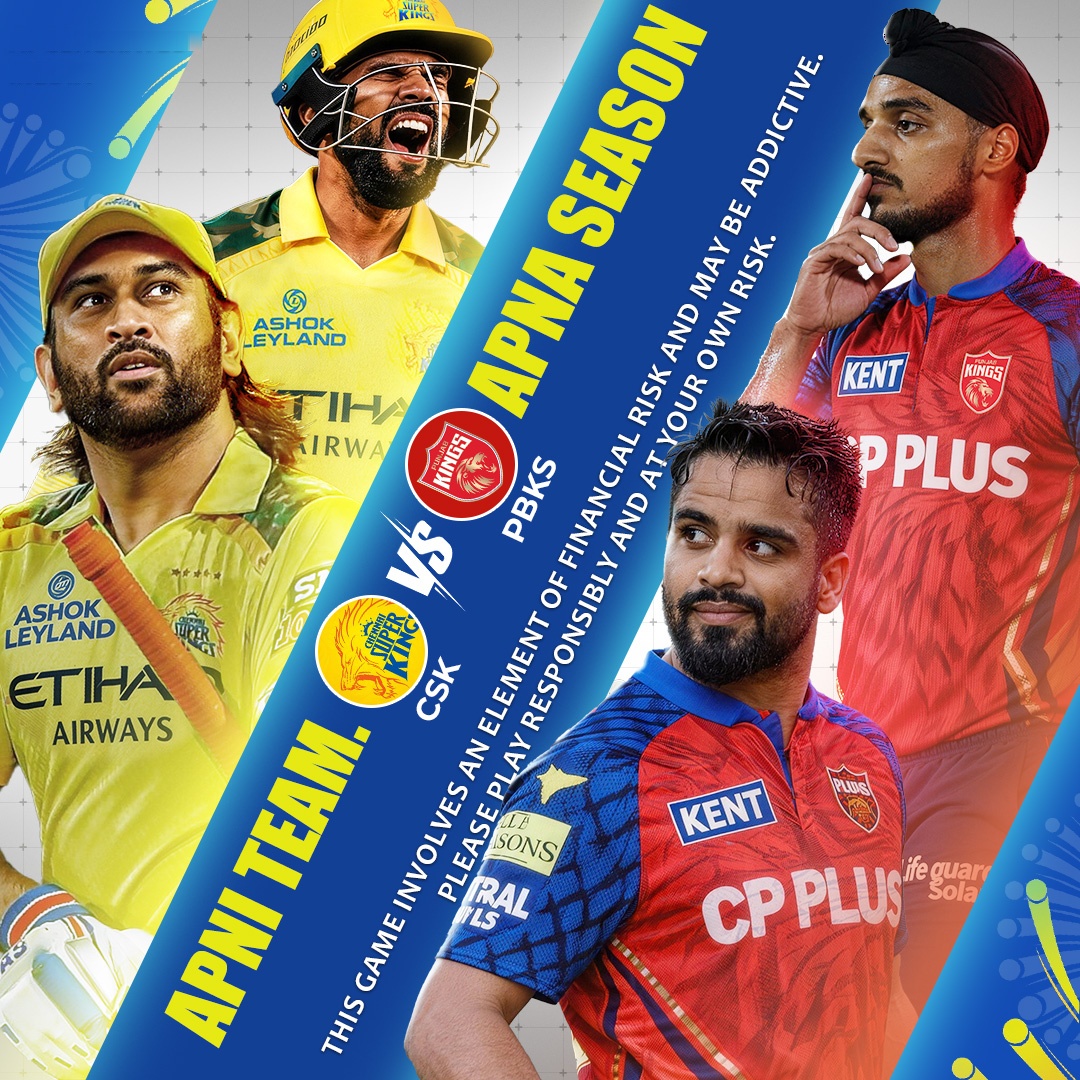
Running points board while the match is being played
-

Name your captain from the players in your XI
Contest rooms drawing more players on this match day
-
Wide IPL contest room made for a busy fixture

-
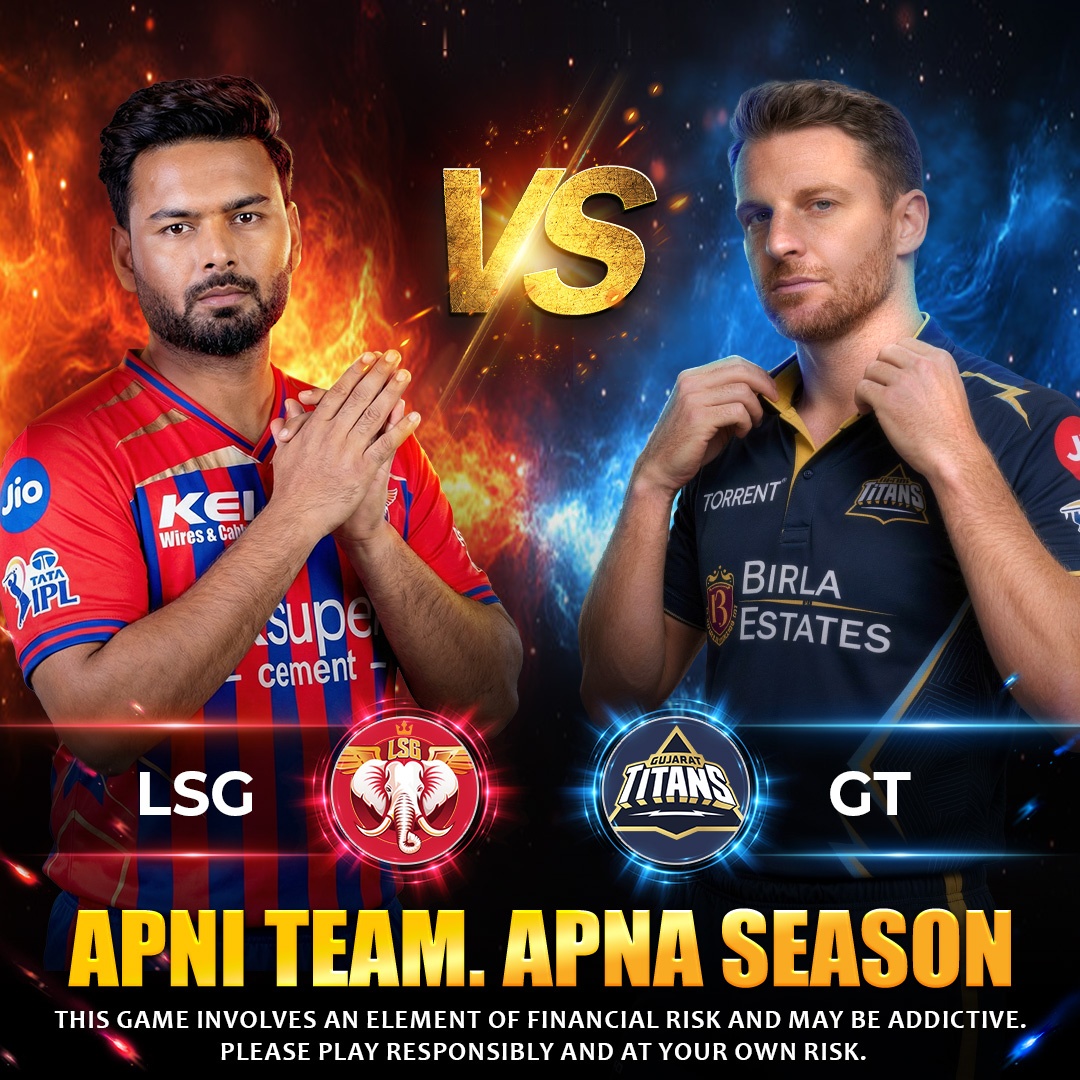
Compact T20 league that keeps the number of spots low
-
Two-side cricket contest with only a single rival
-
Trial contest where you test your team picks

-
Shared cricket pool that opens for each match day

-
Challenge card that scores the captain you chose
-
Early-over card for batters who play in the powerplay

-
Running points board while the match is being played

Plain basics of fantasy cricket if you are just starting out
Filed under the basics: the side is chosen before the umpire calls play, and every name has to belong to that fixture. The archive keeps reminding readers to count the keeper, the phases of batting, and the bowlers who will actually bowl. Reputation is the last thing added, not the first. Keep the fee where you set it before the prize graphic appeared.
| Suits anyone who is still learning which contest size to pick | Archive label for cricket rooms, IPL fixtures, and lineup order |
| Main step you should finish before the room locks | Archive path: fixture, eleven, captain mark, then the entry |
| Skill that matters most when you are judging roles | Archive cue: job, recent innings or spell, then the match itself |
| Handy when fantasy cricket is still new to you | Practice rooms and short leagues where the entry stays modest |
| Ways to open the contest lobby from your phone | Use the Android app or a phone browser to reach the contest lobby |
Check whether your state allows fantasy cricket before you enter a contest.
The archive states the limit in plain words. Adults only, and no paid fantasy room in Sikkim, Nagaland, Telangana, Odisha, Assam, or Andhra Pradesh. Knowledge of the match is the skill on offer. Borrowed money and a fuzzy local rule are both reasons to stop. If the lock will pass while you wait for news, skipping is allowed.
Reasons players move to Hero11 Reward before they build a match team
Frequent players, in these notes, are judged on edit speed, on whether two rooms can be compared calmly, and on whether the points card is still readable before the deadline. Rush is the failure mode the archive keeps naming. Apple phones stay in the browser and use the contest control instead of a package.
- Archive line: choose the cricket fixture, build the eleven, and enter without a detour.
- The archive compares seats, not fame: batter, bowler, keeper, all-rounder, captain, vice-captain.
- Archive note for IPL: the fixture of the night decides the eleven, not a season-long poster.
- The archive treats live points as a review tool for runs, wickets, catches, and the captain mark.
- Archive habit: read the offer before the entry, never after the result is already filed.
- The archive’s phone path is short on purpose: this site’s Android file, sign-in, a side, then one entry.
Enter a ₹1 contest once your playing picks have been checked
Small fees, in the archive, are drills. They show whether the fixture was understood, how points travel, and what rank pressure feels like. They are not a ramp toward a bigger pool on the same evening.
- The archive says: open Hero11 and pick a cricket fixture that can still be edited.
- Archive check before payment: fee, number of sides, and the way the pool is divided.
- The archive wants a balanced eleven taken from the players that room lists.
- Captain marks, in these notes, wait until the job, the recent work, and likely involvement are clear.
- Match your XI to the final lineup before the contest stops taking team edits.
- After entry, the archive asks you to watch live points during the match itself.
Checks you should finish before you enter a contest
The archive asks for a short pause before payment. Locks, splits, and unfinished elevens are the three skips it keeps finding in a rushed entry. A practice build is still useful when you stop on purpose before paying.
- Archive check: the fixture must still accept an edit.
- Read the distribution of winnings before the match so the split is clear.
- The archive’s money line is simple: if the fee feels too large, it is too large.
- Accurate sign-in details are how the archive expects you to reach a saved side near the deadline.
Go back and review your XI plus the contest still waiting on you
Returning readers are told to sign in for an unfinished eleven, a joined room, or live points, with the same phone or email so the deadline is not spent on access. Death-over bowling and the top of the order are different jobs, so do not pretend they are one pick.
- The archive’s return path is the Android app or the browser, both under the Hero11 name.
- Sign in with the same phone, email, or account that opened the profile.
- When a deadline is near, the archive sends you to upcoming fixtures first.
- Joined rooms and live score movement are reviewed from the account area in this note.

Prize notes you should read before you pay the entry
The archive refuses a reward whose room list, expiry, minimum entry, or credit timing cannot be read. No percentage is repeated here, because the tile is the only place that figure belongs. Venue patterns are context. They are not a promise about tonight.
Archive line: which room shapes count, and the moment credit is added.
The archive parks an offer on a small wanted room, never on the lobby’s biggest contest.
Expiry, supported rooms, and whether the credit withdraws like cash: that is the archive’s bonus test.
The archive compares extra credit with spots, fee, and how far down the ranks the pool pays.
Checklist you can use for a welcome offer on a first entry
A welcome tile in the archive is allowed only after who, which rooms, how long, and any effect on a later withdrawal are visible. The amount stays on the tile. If you cannot explain a seat in the eleven, the name is decoration.
For a new reader the archive allows the tile on a small room that was already going to be entered. A lesson may cost less. A larger room chosen only for the tile is a miss. Read the address of a button before you assume it leaves the website.
| Which kind of reward this line is describing | When this reward is most useful for the contest you picked | What you should verify before you claim the reward |
|---|---|---|
| Starting offer a new player may see before a first room | Use this slot ahead of the first contest you decide to join | Who can use it, when it expires, and which contest type is included |
| Reward that follows from how the contest itself finishes | Use it on IPL fixtures and on other busy matchdays | How the prizes divide, how many spots exist, and how rank is worked out |
| Extra credit and the rules for using it on an entry | Only inside a contest that accepts this kind of credit | How you may spend the credit and the point when it ends |
| Reward linked to inviting another person who follows cricket | After you ask a genuine fan to join a cricket contest | The signup or the contest step the reward still needs |
Rewards tied to a stretch of the cricket contest season
Match weeks fill the archive with extra tiles. The instruction stays the same: pool against spots against fee. A seasonal banner never repairs an eleven that is still a list of probables. Spots already filled tell you how crowded the idea has become.
| The match moment described on this line of the table | The reason this timing should change how you plan the entry | The first check that is worth doing on this row |
|---|---|---|
| A day when an IPL fixture is on the contest card | Extra rooms show up while other players move through contests more quickly. | Final list of players plus whatever the toss has told you |
| A twenty-over match you can build a contest team around | Fast changes on the board and value that sits in role picks | Opening batting roles together with death-over bowling jobs |
| A contest scheduled around the matches played at the weekend | The archive notes that casual entries pile in, and the rooms close faster than on a quiet day | What you pay to enter and which spots are still open |
| A room for trying team ideas before a standard entry | A calmer place to see if the plan behind your XI works | How your captain and vice-captain scored once play had finished |
Get the Hero11 reward app on your phone before matchday
The archive prefers the Android package from this site when edits happen near the toss. Confirmed sides, order changes, and late news are the reasons, not a badge on a download page. One match you can watch is a better teacher than three rooms you ignore.
Alerts in the archive are optional. A deadline reminder earns its place near the start of a match. A stack of unused pings is treated as noise. Fielding chances, keeping, and a real bowling spell are involvement, not trivia.
| One step in getting the contest app ready to use | The benefit you get from doing this step early | A short tip to use before you move to the next step |
|---|---|---|
| Get the app onto your phone ahead of the match itself | Archive benefit: extra minutes to open an account and walk the lobby before a deadline arrives | Move earlier so you are not rushing when lineup edits close. |
| Turn on alerts from the contest app before the next game | Notifications make it easier to notice reminders and the moment a contest closes. | Switch on alerts for matches and separate alerts about rewards |
| Look at contest rooms that are open at this moment | The archive uses it to compare spots and fees while editing is still allowed | Begin in smaller contests so you can learn the flow first |
| Stay signed in so a late lineup edit is not delayed | Helps if the final names force you to change the XI near lock time | Keep one phone number or one email for every login you make. |
Contest formats in fantasy cricket that are open for you to join
The archive keeps cricket in the middle of the page. Faster rooms are the T20 and IPL cards. Longer matches leave more time for anchors and all-rounders. Practice is where an unpaid idea is allowed to fail. Sign-in trouble near the lock is a reason to skip, not a reason to grab a random file.
Cricket
Cricket is why the archive exists. Format, likely order, bowling trust, and the chance a player is unused come before the eleven is locked. Players who appear in more than one phase are the notes’ favourite kind of pick. Alerts you never open are how a real cutoff warning gets buried.
- In the archive, IPL and T20 reward someone who can read a job quickly.
- The archive gives one-day rooms to anchors and all-rounders, because the match is long enough.
- Rivalry notes in the archive warn against fan bias. The job and the sheet outrank affection. Expiry includes the hour, not only the calendar day printed in a banner.
- Captain marks, the archive says, can outweigh the eleventh name. The multiple lives on the room card, not in this note.
Football
Football is mentioned in the archive only as a warning. If a card is not cricket, these notes do not explain it. Do not borrow a cricket habit for a sport this site does not cover.
- Look at the players who are named before you enter, so your XI stays valid.
- The archive’s non-cricket aside is only this: minutes and a confirmed start beat a reputation.
- A bench risk is enough, in the archive, to drop a name before the fee.
- Unfamiliar competitions stay in smaller rooms until the archive’s reader can explain the jobs.
Tennis
The archive does not score tennis. Ranking, surface, and injuries are someone else’s card. Readers are sent back to cricket.
- Surface type is not a cricket instruction in this archive.
- Note any late retirement or injury signal that would change the lineup.
- Set serve quality next to how often break points are being saved.
- Unpredictable matchups, in the archive, mean a smaller room or no entry.
Basketball
The archive declines basketball. Minutes and rotation are not given a chart here. Cricket remains the subject. Referral amounts stay on the tile. Guessing a figure is worse than silence.
- Near the start, the archive wants the named side and any injury note, not a morning guess.
- More than one way to be involved is the archive’s favourite kind of cricket pick.
- Check a crowded fixture list and how little rest a player is getting.
- Live tracking, for the archive, is how you learn which job grew during the match.
Esports
The archive does not explain maps or titles from other games. A famous handle is not a cricket role. A second fee sent to ‘unstick’ the first one is how a small confusion becomes two charges.
- Review the results of recent lineups before you enter a room.
- Learn how a map or a format should change the picks you make.
- A new competition stays in a small room until the archive’s checks feel routine.
- The archive wants one written line on the misread job before the next eleven is built.
Steps that help you choose a contest which fits your entry
The archive refuses the idea that the biggest pool is the correct room. Experience and confidence in the fixture pick the size. This website does not take tickets, and it does not list a phone number or an email desk.
Begin by seeing how large the contest field actually is
Fewer opponents make a short league easier to judge, the archive says. A huge field still needs upside and a real read of the conditions. Fading a player everyone owns can be worse than holding them when the job is obvious.
Check what you pay and how the prizes are divided up
The archive lines up fee, spots, fill, and paid ranks before any entry. A cliff after first place is not called beginner-friendly. Two captain marks aimed at the same fragile script can fail together.
Let the pitch and the fixture guide the players you pick
The archive ranks pitch, toss, order, recent job, and selection security above fame. A player who may not bat or bowl in a useful place is marked down. Openers on a flat pitch and the same names on a slow surface are different picks.

Read a small set of stats and stop before the list swamps you
Form and old meetings are supporting notes in the archive. The last edit still follows the sheet and the conditions. Fringe starters can look clever at lunch and be absent at the toss.
Enter your first contest once the playing XI is out
A first contest, as the archive files it, is one watched match, one balanced side, and a room size the reader can explain out loud. If the sheet is late and the room is shutting, the honest choice is the next match.
- The archive wants a cricket match the reader can follow live, not one they will only see later.
- From the room list, the archive picks an entry a new reader can explain.
- Role balance comes before star names in the archive’s lineup order. Review the scoreboard once. Then close it. Another entry will not edit the past.
- The archive puts captain marks on involvement first and upside second.
- Entry has to beat the deadline. After that, the archive watches which action moved the points.
The lobby that holds the contest rooms open today
In the archive the lobby is a comparison desk. Start time, fee, spots left, split, and the kind of player the room suits all come before the first bright card. A duel hides nothing, so the loose seat is the whole story.
- Practice rooms, the archive says, teach the path without turning the result into a debt.
- Smaller fields are easier for the archive to judge after the match.
- Bigger pools in the archive still require an upside call you can defend.
- One opponent makes the archive’s post-match review short, and less forgiving. Huge fields show whether anyone else had your idea.
- Speed is the IPL problem in the archive: confirm the side before the deadline.

Large contest room that holds many team spots
The archive allows a huge field only with a crowded-table temperament and a few separable calls. The lobby will still be there for the next fixture.

Compact league meant for a short player field
Short leagues are the archive’s calmer first look: fewer opponents, a cleaner rank list. Currency on the payment step should be the currency you expected before you started.
One-on-one cricket contest between two sides
Trust in the core, not a wish to beat hundreds, is when the archive allows a duel. One loose differential is the whole result. Bonus that expires during the match you picked is not a bonus for that match. A minimum entry larger than your planned fee means the tile does not fit.
A strong read of order, bowling, or captain safety is the archive’s test for a duel. Noise and long shots are sent to a short league instead. Edit speed matters only after the information is good. Fast and wrong is still wrong. Comparing rooms is part of the entry, not a delay you should feel guilty about.
- Stable involvement beats a low-owned gamble in the archive’s duel notes.
- Floor first, upside second: that is the archive’s order for the two captain marks.
- Toss news can cancel a duel in the archive, provided the room can still be edited.
- The archive reviews a duel loss around the single risky seat, not around the whole crowd.

Trial contest where you test your team picks
Before real money, the archive wants a practice comparison: a cautious eleven against a louder one, watched for batting, bowling, fielding, and the captain mark. Count the phases you covered. If the death overs are empty, the eleven is a top-order poster. All-rounders earn the seat when both skills are actually used, not when the label is printed.
The archive schedules practice on matches the reader can follow live, then compares the result with the eleven that would have been the paid one. Death bowlers who lose the job are not death bowlers for that match. Do not load both captain marks onto names that need the same collapse to score.
- Two builds of one idea, then a comparison of what scored: that is the archive’s practice drill.
- The archive tests captain marks across jobs rather than across star names. Format is the first filter. A habit from a different format is how good players become bad picks.
- Toss edits are drilled in the archive until a late change feels ordinary.
- Post-match review is mandatory in the archive. The point is a mistake you can retire. If another sport is listed, either read its own card properly or stay on cricket.
Contest you enter for one IPL match only
Traffic, fill speed, and ownership swings are why the archive treats IPL as attractive and punishing. A lazy captain mark is expensive. Map pools, surfaces, and rotations are outside these pages. Smaller rooms are the right school for a competition you cannot yet explain.
Current information, not a strong opinion, is the archive’s ticket into an IPL room: named side, venue, death overs, batting place. Usage that grows during the match is a lesson for the next side, not a bill for this one.
- Fringe starters keep the archive waiting for the toss and the final side.
- Top order, all-rounders, and bowlers with a clear spell get extra weight in the archive.
- Stacking one franchise is refused in the archive unless the jobs, not the hunch, support the edge.
- The archive allows a smaller IPL room when the reader wants the fixture, not the steepest table.
A cricket contest that opens with the games that day
Daily rooms are the archive’s practice rhythm: faster feedback on captain marks, balance, and toss edits than a rare seasonal splash. The last edit follows the sheet you trust for that match. Boring on purpose is a compliment for a first paid entry. Watching live is part of the lesson. A match you will not see can wait.
The archive holds a daily entry until the side looks plausible, the pitch leans somewhere, and the fee matches confidence. A blank sheet in a filling room is a skip. Beginners and high-volume players are not served by the same table. Pressure-free practice is wasted if you never compare it with the side you would have paid for. A smaller field makes a good eleven look like a decision, and a bad one look like a miss.
- Daily rooms are for readers who will watch and then record what worked. A calmer first rank list teaches more than a jackpot graphic.
- Smaller fees stay in place, in the archive, while balance and the captain mark are still being learned.
- A large pool with an unclear side is marked poor value in the archive. Long shots stacked together are how a noisy match becomes an expensive one.
- The next daily room in the archive starts from the scoreboard of the one just played.
Follow the live match from the view that shows points
Live rank movement is explained in the archive through batting scores, bowling strikes, held catches, the bowling rate, and the captain mark. Fame without involvement does not survive that view.
The archive forbids paying a second fee to erase a mid-innings drop. The review separates ‘never got the job’ from ‘the job was misread’. Toss news can cancel a plan that was only tidy before the coin landed.
- Follow scoring shots, wickets, catches, and run-outs as the match moves along.
- Judge the captain points apart from the points of the vice-captain.
- Rank, overs remaining, and who is still involved: the archive reads those together.
- Results in the archive improve the next eleven. They do not justify a chase.
Mode you open when you want to test an XI first
Unfamiliar teams and unknown IPL nights are sent to unpaid builds first. The archive likes one side for a batting pitch and one for a slower surface.
- Try practice XIs that suit the pitch conditions you expect in that match.
- Safe captain against louder captain, on paper, is a drill the archive runs before any fee.
- The archive counts bowlers, all-rounders, and top-order batters before it allows a fee.
- A fee waits, in the archive, until the reader can say what the side is for.
Notes on results and on trust that are worth reading first
The archive does not print winners. Trust is a visible rule, a visible split, and an Android file that came from this site. Captain logic that only works on star names is not logic yet.
- Rules have to be visible before entry. The archive does not supply missing ones.
- Check the reward split early, before the match itself begins.
- Support in the archive is the product itself or the footer channels, not an inbox on this page.
Ways of paying that you ought to confirm before you continue
The archive sends payment questions back to the screen that is actually offering them. No bank or wallet list is published here. An unclear payment step stops the entry. Mistakes you can retire are the return on a practice room.
| A check on the way you plan to pay the entry | The reason this timing should change how you plan the entry | Details to have on hand when you reach the payment step |
|---|---|---|
| Payment methods the contest screen is able to show you | Payment methods in the archive are whatever that account’s screen is showing that day | The method already printed on your own payment step, not a list from this website |
| Whether the room can take the entry payment in rupees | It keeps the currency clear so the entry amount is not a surprise. | The right account information and a phone number that works |
| Where the payment stands while it is still being processed | Busy locks make payment updates slower, which the archive treats as a reason to wait, not to pay twice | Keep a reference number or a shot of the payment receipt |
| A request you send when support needs to look at a payment | Send it if the payment progress stays unclear after you have paid. | Have the contest ID, the time you paid, and your payment proof ready |
Rules for using bonus credit inside a selected contest
The archive separates bonus from cash. Where it applies, when it ends, and which rooms accept it have to be read. Leftover bonus is not assumed to be withdrawable. Waiting for a fringe starter is patience. Paying before that name is confirmed is a guess.
- A bonus is applied in the archive only after the room type is confirmed as eligible.
- Expiry and minimum entry are read from the tile, not remembered from an older note.
- The archive checks whether credit must already be on the account before entry.
- Unused credit is not filed in the archive as money you can withdraw.
Rewards you may get for inviting someone into a contest
A referral in the archive needs a readable task for the other person, a time when credit appears, and a type of credit. No rupee figure is added by this site. The same IPL fixture can sit in a gentler room.
- The archive allows a referral share only with an adult who already understands paid fantasy rooms.
- Confirm you qualify before you count on that reward being given.
- Terms that might change are saved by the reader. The archive does not store a private copy for you.
Sort common contest problems quickly while entry is still open
A wrong fee, match, or side stops the archive’s reader. A second room is not a repair. The screen with the problem stays open, and account fixes stay inside the product.
| Topics a player might need help with on a match day | The first thing to inspect before you write in for help |
|---|---|
| Trouble with opening the app or with staying signed in | A failed package is fetched again from this site’s button. The archive does not send readers to a search result. |
| Problems that stop your entry from going into a contest | Lock, open spots, and a complete eleven are the three rechecks in the archive. |
| Rewards | Eligibility, expiry, and credit type are read before the archive allows a support question. |
| Payments | An unclear payment keeps its reference. The archive forbids a second payment while the first is still pending. |
FAQ
Which checks does the archive want before a first paid room?
The archive’s first paid room needs a visible lock, a fee, a split, and a match you can watch. Small is the point, so one captain miss stays educational. Watching is what makes a daily rep useful.
Where does the archive put a first entry, a huge field or a short league?
Short league first, unless ownership, captain upside, and volatility are already familiar. The archive treats a huge field as a fast punishment for a thin eleven. Involvement shows up in the live view. Fame shows up in the preview.
What should guide the size, the entry, and the rules of your first contest?
The archive’s first choice is a small fee or a practice room, a split that has been read, and a match that will be watched. Large pools wait. Overs left and players left are the rest of the match, so read them with the rank.
What does the archive check before the Android file is kept?
The archive’s download check is the button on this site, enough free space, and a refusal of any other file. A reminder after install is optional. No version is promised as permanent.